
The largest surprise the cinema world has encountered in 2025? The resurgence of horror as a leading genre at the UK box office.
As a category, it has remarkably exceeded previous years with a 22% year-on-year increase for the British and Irish cinemas: £83.7 million in 2025, against £68 million the previous year.
“In the past year, not a single horror movie hit £10 million in UK or Irish theaters. Now, five have achieved that,” says a film industry analyst.
The top performers of the year – Weapons (£11.4m), another hit film (£16.2 million), The Conjuring Last Rites (£14.98 million) and the sequel to a classic (£15.54m) – have all remained in the cinemas and in the popular awareness.
While much of the professional discussion centers on the standout quality of renowned filmmakers, their achievements suggest something changing between viewers and the genre.
“Many have expressed, ‘You should watch this even if horror isn’t your thing,’” explains a film distribution executive.
“Such movies experiment with style and format to produce entirely fresh content, connecting with viewers on a new level.”
But outside of artistic merit, the steady demand of frightening features this year suggests they are giving moviegoers something that’s much needed: emotional release.
“Currently, cinema mirrors the widespread anger, fear, and societal splits,” says a film commentator.
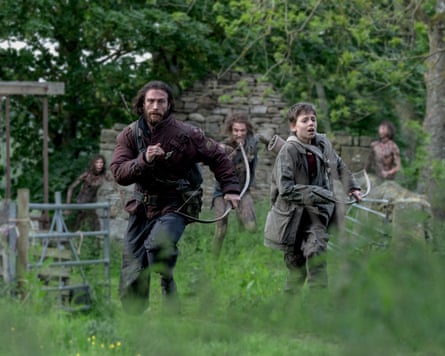
“The genre masterfully exploits common anxieties, magnifying them so that everyday stresses fade beside the cinematic horror,” says a noted author of vampire and monster cinema.
Amid a current events featuring war, border tensions, far-right movements, and environmental crises, ghosts, monsters, and mythical entities resonate a bit differently with viewers.
“Some research suggests vampire film popularity correlates with financial downturns,” says an actress from a popular scary movie.
“This symbolizes the way modern economies can exhaust human spirit.”
Historically, public discord has always impacted scary movies.
Scholars highlight the boom of early cinematic styles after the first world war and the chaotic atmosphere of the early Weimar Republic, with features such as classic silent horror and the iconic vampire tale.
Subsequently came the economic crisis of the 30s and classic monster movies.
“Take Dracula: it depicts an Eastern European figure invading Britain, spreading a metaphorical infection that endangers local protagonists,” says a historian.
“Thus, it mirrors widespread fears about migration.”
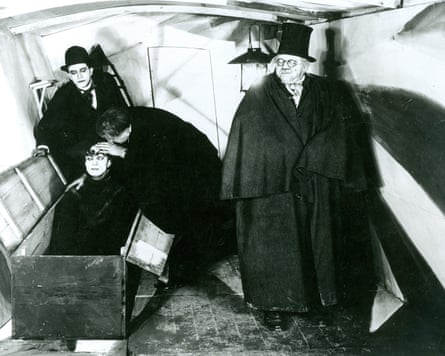
The boogeyman of immigration influenced the newly launched rural fright The Severed Sun.
The filmmaker explains: “My goal was to examine populist trends. For instance, nostalgic phrases promising a return to a 'better' era that excluded many.”
“Also, the concept of familiar individuals revealing surprising prejudices in casual settings.”
Maybe, the modern period of celebrated, politically engaged fright cinema began with a sharp parody launched a year after a divisive leadership period.
It ushered in a fresh generation of visionary directors, including several notable names.
“That period was incredibly stimulating,” comments a filmmaker whose movie about a deadly unborn child was one of the time's landmark films.
“In my view, it marked the start of a phase where filmmakers embraced wildly creative horror with artistic ambitions.”
The director, currently developing another scary story, continues: “Over 10 years, audiences’ minds have been opening up to much more of that.”
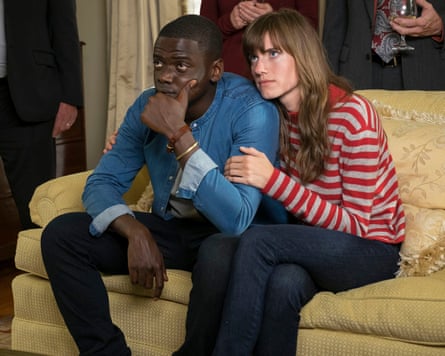
At the same time, there has been a revival of the genre’s less celebrated output.
In recent months, a nicke l venue opened in a major city, showing cult classics such as a quirky horror title, a classic adaptation and the modern reinterpretation of the expressionist icon.
The renewed interest of this “raw and chaotic” genre is, according to the theater owner, a clear response to the calculated releases pumped out at the box office.
“It counters the polished content from big producers. The industry has become blander and more foreseeable. Numerous blockbusters share the same traits,” he says.
“On the other hand, [these indie works] feel imperfect. They seem to burst forth from deep creativity, free from commercial constraints.”
Scary movies continue to disrupt conventions.
“They have this strange ability to seem old fashioned and up to the minute, both at the same time,” says an authority.
Alongside the re-emergence of the deranged genius archetype – with several renditions of a well-known story upcoming – he forecasts we will see horror films in 2026 and 2027 reacting to our present fears: about tech supremacy in the years ahead and “vampires living in the Trump tower”.
Meanwhile, “Jesus horror” a forthcoming title – which tells the story of biblical parent hardships after the messiah's arrival, and includes well-known actors as the divine couple – is set for release in the coming months, and will certainly create waves through the faith-based groups in the United States.</


